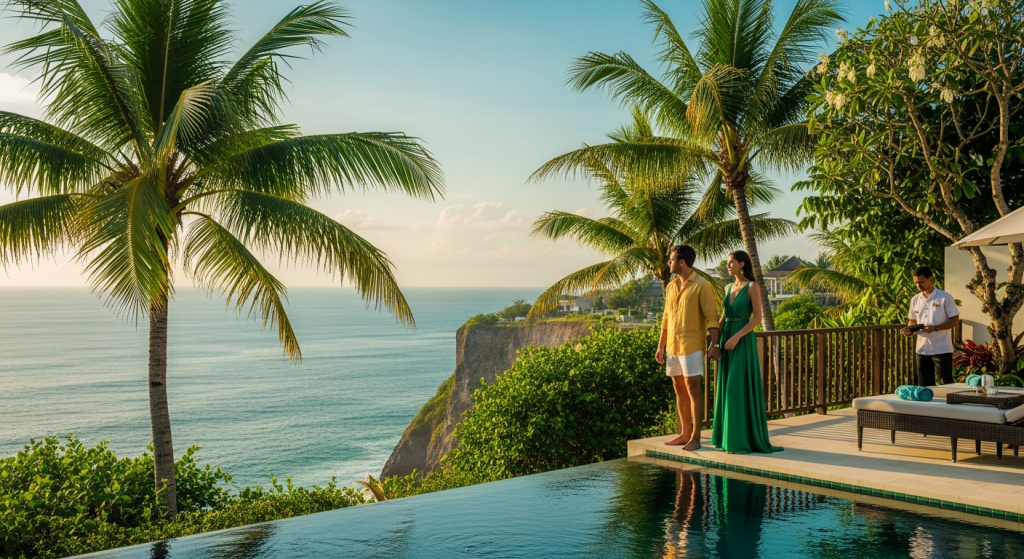
The equatorial sun casts long shadows across the Indian Ocean, a familiar warmth for those accustomed to perpetual summer. Here, however, the air carries the scent of frangipani and sea salt, a distinct sensory signature. Your transition to an Indonesia-based luxury lifestyle, a considered Dubai alternative, hinges on understanding its annual rhythms.
Indonesia’s Equatorial Climate: A Year-Round Perspective for UHNW Arrivals
Indonesia, straddling the equator, experiences a tropical climate dominated by two distinct seasons: the dry season and the wet season. This predictability, while offering consistency, also presents nuanced windows for optimal living and business operations for UHNW individuals and family offices. The dry season, generally spanning from May to September, delivers consistently clear skies, lower humidity, and average daily temperatures ranging from 26°C to 30°C across the archipelago. This period is universally favored for outdoor activities, property viewings, and establishing a long-term base. Average monthly rainfall during these months often dips below 100mm in key luxury corridors like Bali and Jakarta. Conversely, the wet season, from November to March, brings higher humidity and more frequent, though often brief, tropical downpours. These rains are typically concentrated in the afternoons, rarely lasting more than a few hours, and contribute significantly to the verdant landscapes. The capital, Jakarta, with a population exceeding 10 million, experiences similar patterns, though its urban density can amplify the effects of heavy rain. Understanding these macro-climatic shifts is fundamental for planning long-term residences or MICE events, especially when considering the significant investment in a luxury property, where average villa prices in prime Bali locations can exceed USD 2 million. Indonesia’s geographical spread across 17,000 islands means microclimates exist, requiring a regional focus for precise planning.
Bali’s Golden Months: May Through September for Luxury Living
For those seeking Bali as their primary Dubai alternative, the dry season, particularly from May to September, represents the island’s most sought-after period. These months offer consistently clear, sunny days with minimal rainfall, ideal for enjoying the island’s diverse luxury offerings. Average daily temperatures in Canggu, Seminyak, and Uluwatu hover around 28°C, with refreshing sea breezes providing comfort. Ocean conditions are typically calm, making it perfect for yachting, surfing on the south coast breaks, or leisurely days at exclusive beach clubs. In Ubud, the cultural heart, temperatures are slightly cooler, around 25°C, providing a pleasant environment for exploring rice terraces or engaging in wellness retreats. The visibility for diving and snorkeling around Nusa Islands, a 30-minute fast boat ride from Sanur, is at its peak, often exceeding 20 meters. Property viewings are seamless, and construction projects, a common aspect of establishing UHNW residences, progress efficiently under stable weather. Ngurah Rai International Airport (DPS) sees its highest traffic during these months, accommodating over 16 million passengers annually in pre-pandemic years. While this period corresponds with higher tourist numbers, the island’s expansive luxury infrastructure, from private villa compounds in Uluwatu overlooking the Indian Ocean to bespoke estates in Canggu with direct beach access, ensures exclusivity remains paramount. Family offices find this stability conducive for integrating into the local community and establishing routines.
Shoulder Seasons: April and October for Discerning Explorers
The months of April and October present compelling advantages for UHNW individuals and remote workers who prioritize a more tranquil experience without significant weather compromise. These shoulder seasons serve as transitional periods between the dry and wet seasons, offering a favorable balance of pleasant weather and fewer crowds. In April, as the wet season recedes, daily rainfall lessens, giving way to increasingly sunny days. The landscape remains vibrant green from the preceding rains, and temperatures are comfortably around 29°C. Ocean conditions begin to stabilize, making it an excellent time for water sports before the peak season rush. Similarly, October, following the dry season, maintains much of the clear weather, with only occasional, short-lived showers. The humidity starts to climb slightly, but the overall climate remains highly agreeable. These months often see slightly lower prices for luxury villa rentals and bespoke services, presenting a strategic entry point for those considering a longer-term relocation or a multi-month stay. Many high-end establishments, from Michelin-starred dining experiences in Seminyak to private art galleries in Ubud, operate at a relaxed pace, allowing for more personalized engagement. For digital nomads and remote workers, the slightly reduced foot traffic translates to more serene co-working spaces and easier access to concierge services. A typical luxury villa in Canggu can see a 10-15% price reduction in these months compared to peak season rates, offering tangible value for extended stays.
Jakarta and Java: Synchronized Dry Season for Urban Luxury
Beyond Bali, Indonesia’s other major luxury corridors, Jakarta and Yogyakarta, largely align with the dry season from May to September. Jakarta, as the nation’s capital and a significant financial hub, experiences its most favorable weather during these months. Daily temperatures in Menteng and the SCBD (Sudirman Central Business District) average 30°C, with lower humidity providing relief compared to the wet season. This stability is crucial for business operations, MICE corporate groups, and the daily commute within a metropolis that spans over 660 square kilometers. The city’s sophisticated infrastructure, including luxury apartments in prime locations with direct access to private helipads, functions optimally. Family offices considering Jakarta for its strategic location and burgeoning economy find this period ideal for initial visits, property acquisitions, and establishing corporate entities. Yogyakarta, the cultural heart of Java and home to the UNESCO World Heritage sites of Borobudur and Prambanan, also benefits from the dry season. Exploring these ancient temples, which date back to the 9th century, is significantly more comfortable under clear skies. The average temperature in Yogyakarta during these months is around 28°C. For UHNW individuals seeking a blend of urban sophistication and cultural immersion as a Dubai alternative, synchronizing visits with Indonesia’s dry season across both Bali and Java ensures a consistently high-quality experience.
Monsoon Opportunities: November Through March for Insider Experiences
While the wet season, from November to March, is often perceived as less ideal, it presents unique opportunities for the discerning UHNW traveler and long-term resident. The term “monsoon” evokes images of incessant rain, but in Indonesia, rainfall typically occurs in intense, short bursts, often in the afternoon, leaving mornings and evenings clear. Average monthly rainfall can exceed 300mm in some areas during peak wet season. The landscape transforms into an even more vibrant, lush green, offering a different aesthetic. For those prioritizing wellness and quiet introspection, Ubud’s rice paddies and spiritual retreats are particularly enchanting during this time, often shrouded in a mystical mist. Luxury resorts and villas frequently offer attractive off-season rates, sometimes 20-30% lower than peak season, providing exceptional value for extended stays. This period allows for a deeper connection with local culture, away from the dry season’s larger crowds. Many local festivals and ceremonies, tied to agricultural cycles, occur during these months. For remote workers, the slightly slower pace can be conducive to focused work, with fewer external distractions. The occasional heavy rain also highlights the robustness of modern luxury infrastructure, designed to handle tropical conditions. Consider a long-term lease on a private Menteng residence in Jakarta during this period; the lower demand can yield more favorable terms. The Indonesia.travel portal provides detailed regional weather information, confirming the localized nature of these patterns.
Strategic Planning: Events, Festivals, and Relocation Logistics
Beyond general seasonality, specific events and national holidays warrant consideration for UHNW individuals planning their Indonesia timeline. Nyepi, the Balinese Day of Silence, typically falls in March and involves a 24-hour period of complete quiet, including airport closure (DPS). This offers a profound spiritual experience but requires meticulous planning for arrivals and departures. Major cultural festivals, such as the Bali Arts Festival (June/July) and various temple ceremonies (Odalan), occur throughout the year, offering insights into local traditions. For MICE corporate groups, aligning events with the dry season ensures optimal outdoor activities and seamless logistics for large gatherings. Conversely, planning during the shoulder or wet season might offer better availability and pricing for high-end venues. For multi-generational families considering a permanent move or second-home acquisition, understanding school holiday schedules (both international and local) is crucial, as these often coincide with peak travel times. The establishment of family offices or the relocation of key personnel also benefits from careful timing; securing the services of a local concierge or legal firm well in advance can streamline the process. Property inspections, particularly for large estates or land acquisitions, are best conducted during the dry season to assess drainage and structural integrity without the influence of heavy rainfall. The long-term vision of a Dubai alternative lifestyle in Indonesia benefits immensely from this strategic calendar awareness.
Making Indonesia your refined Dubai alternative involves more than selecting a destination; it means embracing its rhythms. Whether you seek the vibrant energy of Bali’s dry season, the strategic calm of Jakarta’s business calendar, or the serene introspection of the monsoon months, there is an optimal window for your unique lifestyle. Discover how seamless your transition can be. Explore bespoke luxury residences and concierge services at dubaialternative.com or delve deeper into long-term residency options on our Indonesia Residency Guide. Your next chapter in Asia-Pacific’s premier luxury corridor awaits.